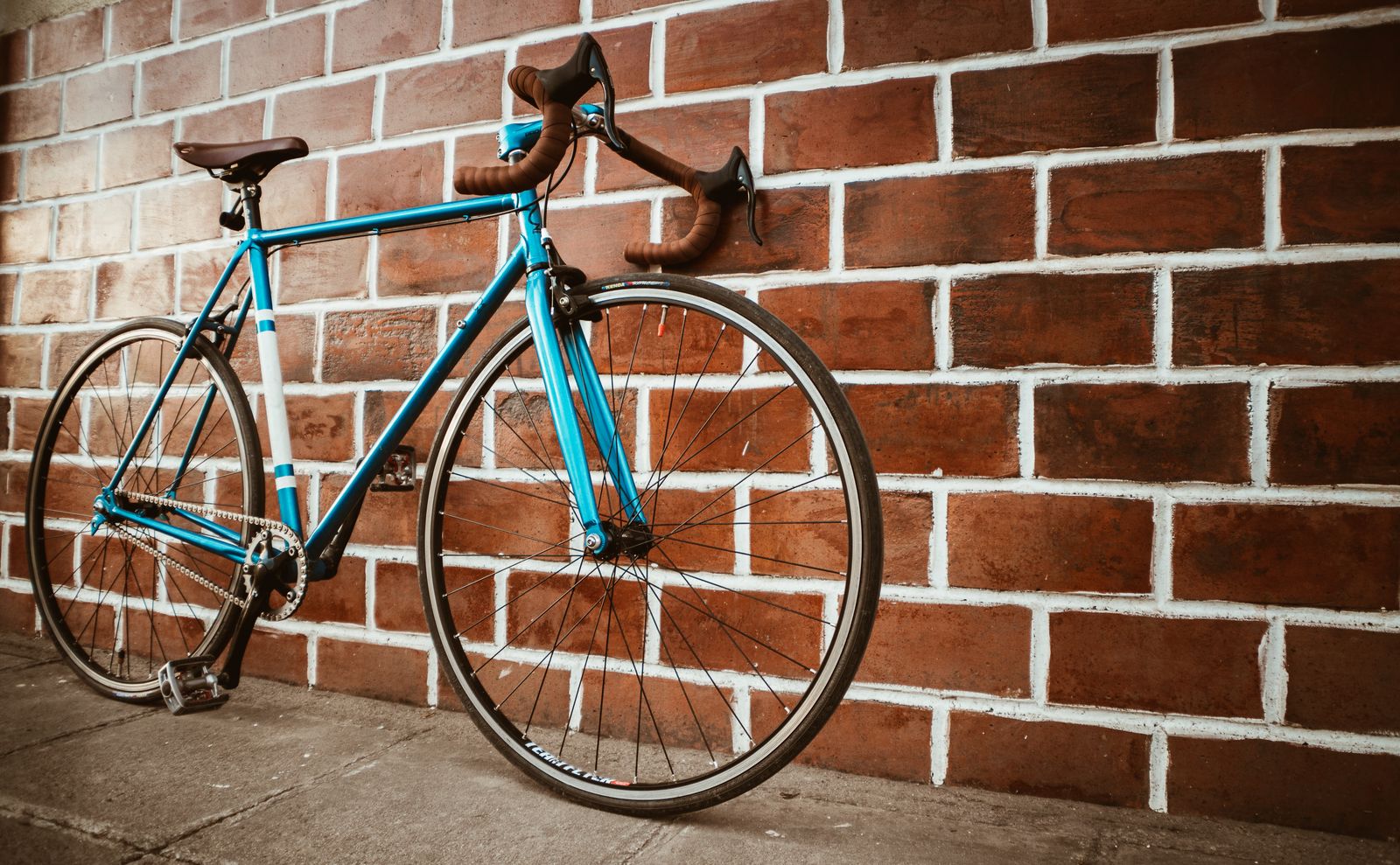
Urban cycling is not a watered-down version of sport. It is its own craft: reading intersections, managing weather, carrying cargo, and arriving without drama. In many German cities, the bicycle is simply how adults move — rain cape included.
Build a commute that survives Mondays
Prioritize mudguards, a rear rack or panniers, and lighting you never forget to charge — dynamo systems shine here. Hub gears reduce chain mess in winter. Keep a small office kit (shirt, deodorant, lock key spare) so friction stays low.
Visibility & predictability
Bright clothing helps, but behavior matters more: hold a steady line, signal early, and make eye contact at junctions when possible. Assume doors may open and trucks may turn wide. Protected lanes are ideal; when they disappear, claim space calmly rather than hugging the gutter.
Theft reality check
Use a quality lock through frame and rear wheel to a fixed object. Remove lights and computers. Photograph serial numbers. In high-theft districts, a less flashy bike with solid components often serves better than a showpiece left overnight.
E-assist in the city
Pedelecs flatten hills and make cargo realistic — groceries, kids, tools. Practice starting from lights: the extra weight changes balance. Park with the battery strategy in mind (remove if required by building rules).
For national context, read cycling in Germany. For machine choice, see bike types.