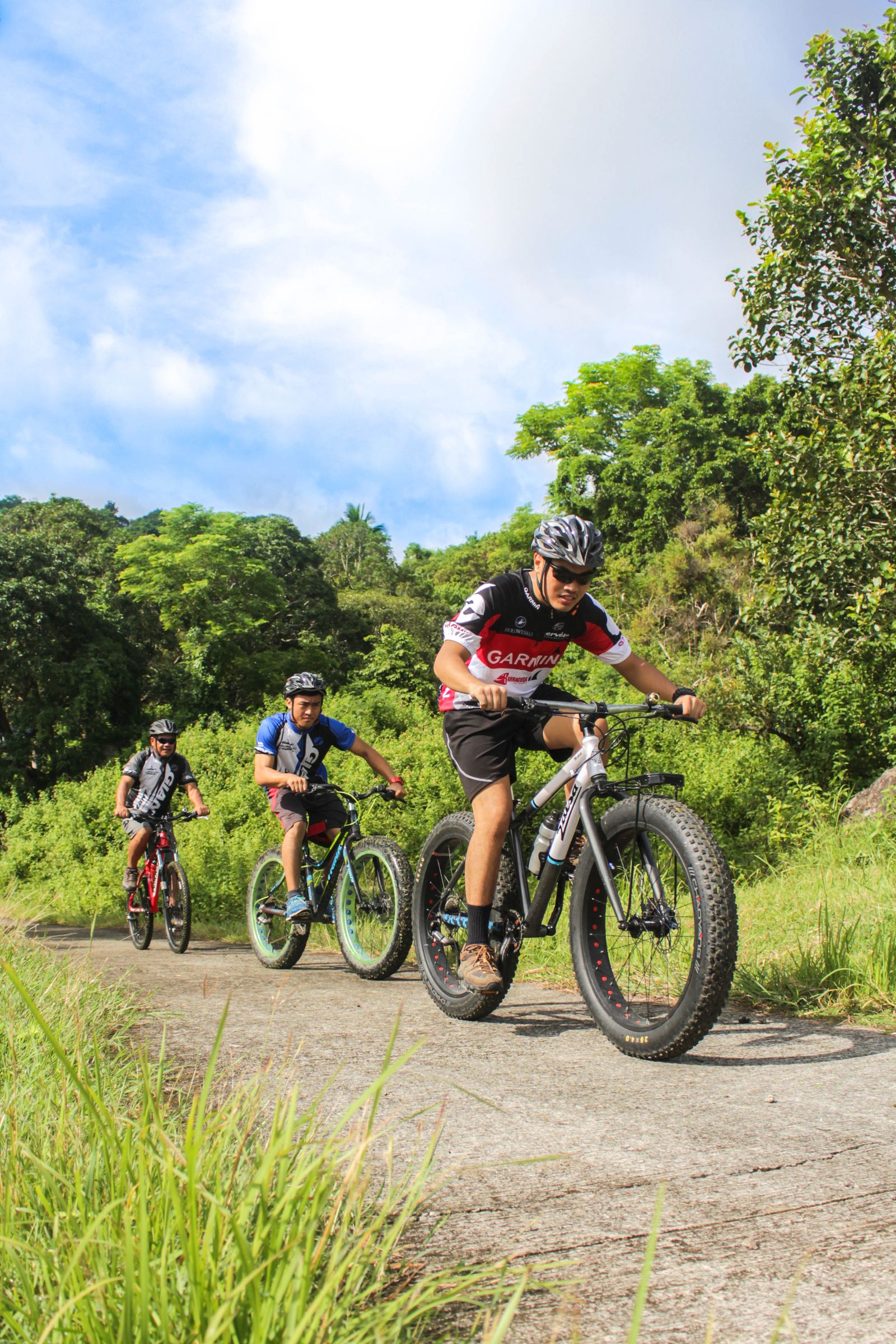
Choosing a bicycle is less about brands and more about matching the machine to the surface you ride most often, the distance you cover, and how upright or aggressive you want to sit. Below is a clear map of the main categories riders meet in shops and on German cycle paths.
Road bikes
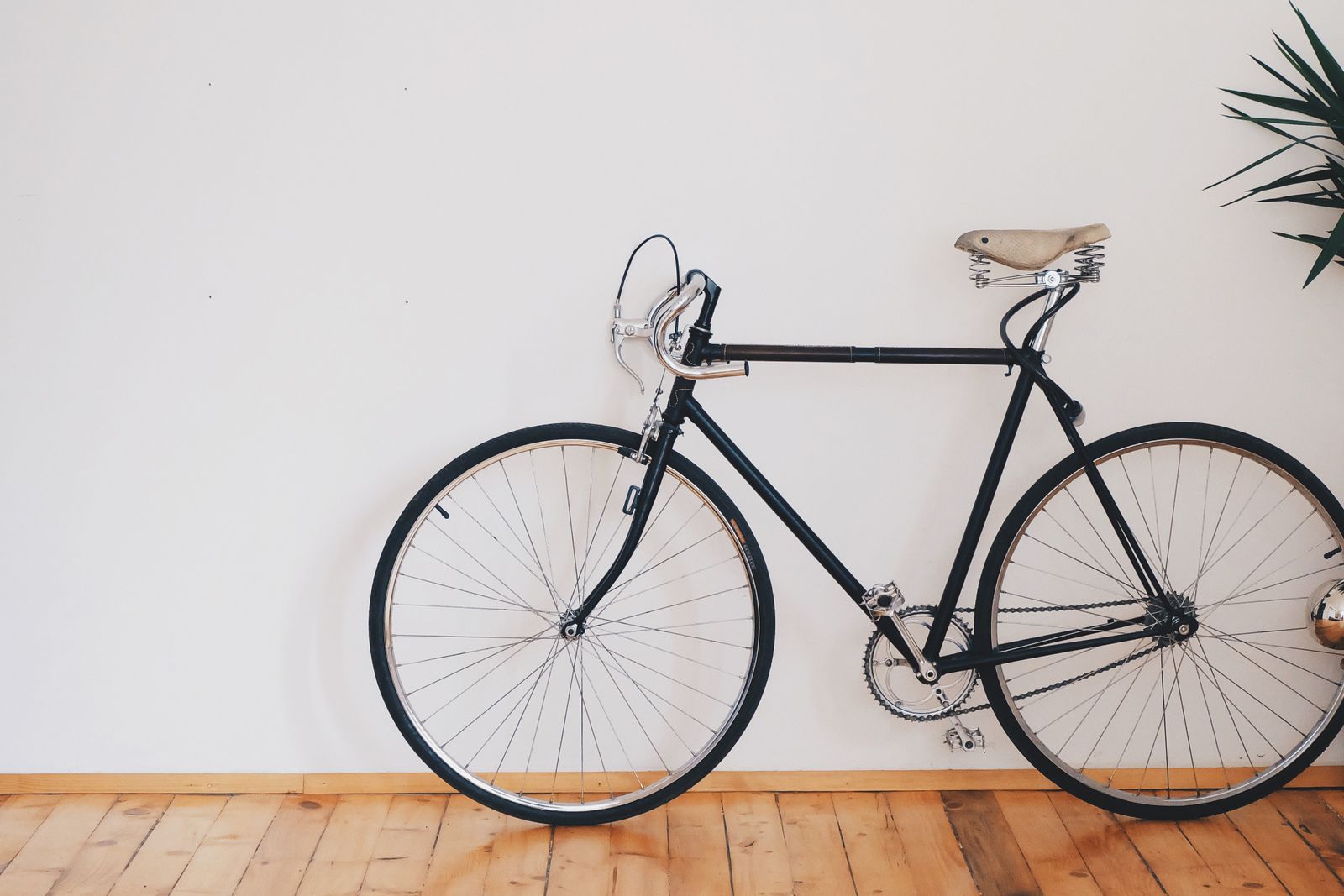
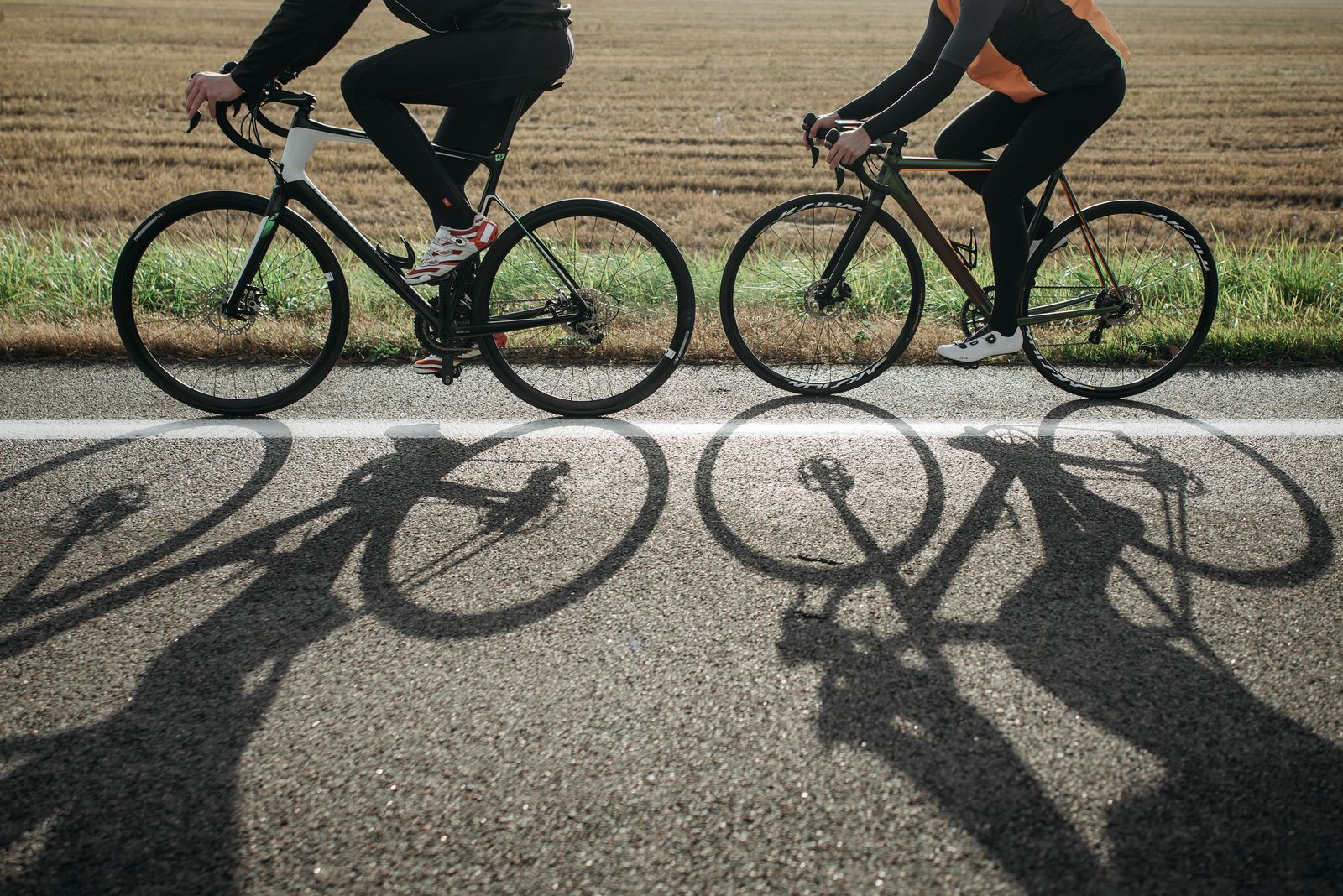
Road bikes prioritize efficiency on asphalt. Frames are typically light, tires are narrow (often 25–32 mm today), and drop handlebars let you change hand positions on long rides. Geometry leans forward: more weight over the front wheel, less wind resistance, more demand on core strength and flexibility.
They shine on sportive events, club rides, and fast commuting on smooth roads. They struggle on gravel, frozen tracks, or when you need to carry heavy shopping — unless you choose an endurance road model with slightly more tire clearance and relaxed angles.
Mountain bikes (MTB)

Mountain bikes are built for uneven ground. Wider tires with knobby tread, stronger wheels, and either hardtail (front suspension) or full-suspension designs absorb roots, rocks, and drops. Flat or riser bars give leverage and control at lower speeds.
Within MTB you will hear trail, enduro, cross-country (XC), and downhill. XC bikes are lighter and climb well; enduro and downhill add travel and protection for steep descents. For German forest trails and Sauerland parks, a capable trail bike often covers the widest range of weekend riding.
Gravel & adventure bikes
Gravel bikes sit between road and mountain. Drop bars remain, but tires are wider (often 38–50 mm), frames have more clearance, and gearing includes lower ratios for soft surfaces. They are popular for mixed-surface touring, bikepacking, and exploring farm tracks that connect villages across Germany.
If your rides leave smooth asphalt for crushed stone or compacted dirt, gravel usually feels more stable than a pure road bike without the weight of a full MTB.
City, hybrid & commuting bikes
City bikes favor an upright posture, mudguards, lights, racks, and often a chain guard. Hub gears or simple derailleurs keep maintenance manageable. Hybrids blend flat bars with road-ish efficiency for longer asphalt commutes.
In German cities — from Münster to Freiburg — this category is the backbone of daily transport. Look for reliable locks mounts, Dynamo lighting for winter darkness, and a frame size that lets you put a foot down at traffic lights without tiptoeing.
Touring & trekking bikes
Touring bikes are designed to carry loads over distance. Stronger wheels, mounts for front and rear panniers, stable geometry, and wider gear ranges make multi-day trips realistic. Trekking bikes in German retail often mean “touring-ready city bike”: mudguards, rack, and comfort geometry for D-routes and riverside paths.
E-bikes & pedelecs
Pedal-assist bikes (pedelecs) add motor support up to a legal speed limit while you pedal. In Germany, standard pedelecs (up to 25 km/h assist) are treated similarly to ordinary bicycles for many road rules — but weight, battery care, and braking demand attention. They expand range for hills, cargo, and riders returning after a long break.
S-pedelecs (faster assist) face stricter regulations and often require insurance plates. Always verify the class before you buy or rent.
Quick comparison
| Type | Best for | Typical posture | Trade-off |
|---|---|---|---|
| Road | Speed on pavement | Forward, athletic | Less comfort off asphalt |
| Mountain | Trails & rough ground | Neutral, control-focused | Heavier, slower on long pave |
| Gravel | Mixed surfaces | Similar to endurance road | Not a full substitute for MTB |
| City / hybrid | Daily errands & commute | Upright | Not built for racing pace |
| Touring | Loaded travel | Stable upright / mild lean | Weight when unloaded |
| E-bike | Hills, range, cargo help | Varies by style | Cost, battery, extra mass |
How to decide in practice
- List the surfaces you ride 80% of the time — not the fantasy 20%.
- Decide whether you need cargo capacity (child seat, panniers, baskets).
- Test-ride at least two sizes; fit matters more than catalog specs.
- Budget for helmet, lights, and a solid lock — especially in urban Germany.
- If unsure between categories, a gravel or hybrid often bridges lifestyles.
Next, see how these bikes fit into Germany’s paths, clubs, and racing culture on our Germany cycling page, or dig into gear & equipment.