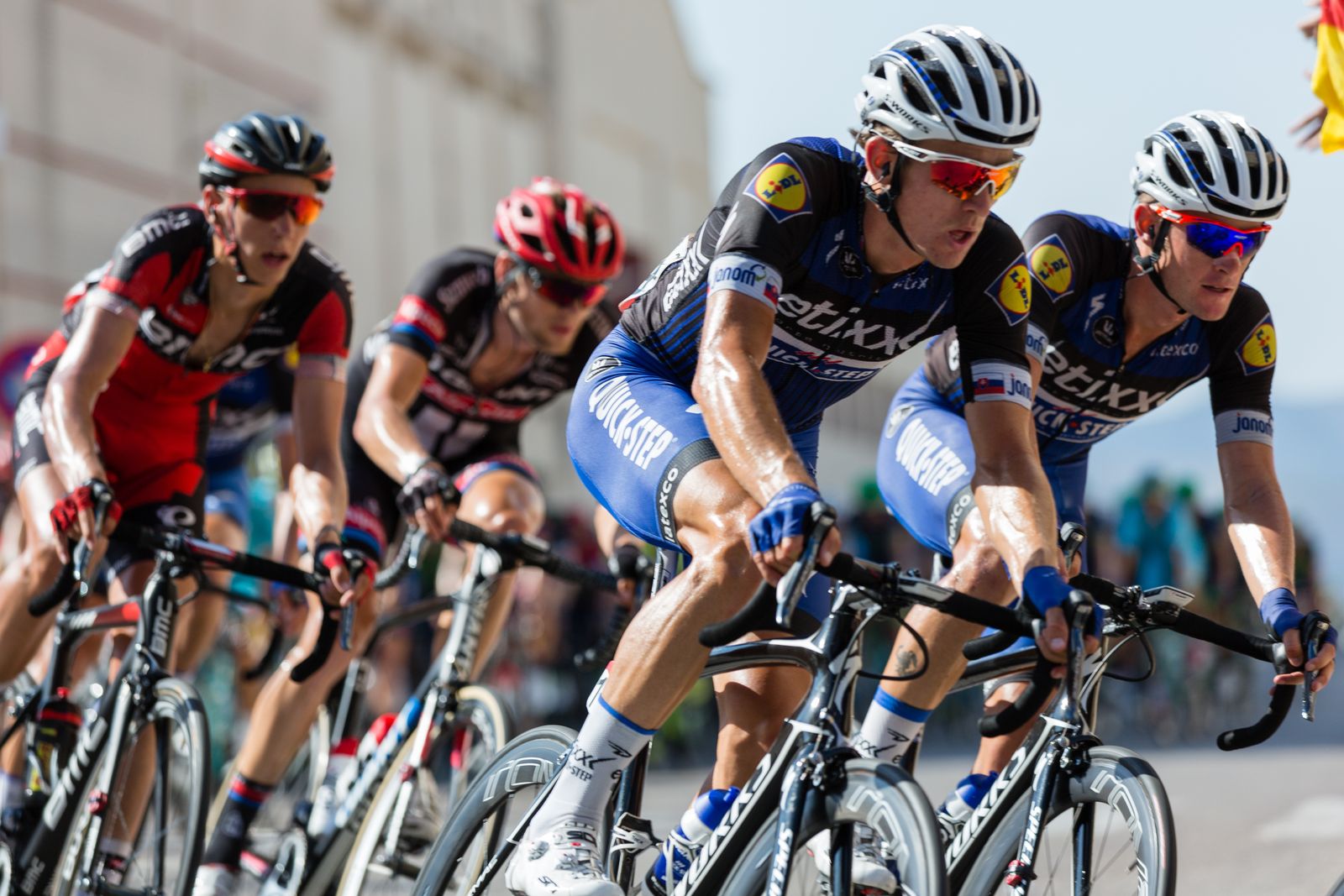
Gear should remove friction. The best setup is the one you actually use every ride: a helmet that fits, lights that are always mounted, and clothing layers you can mix without thinking.
Must-haves before nice-to-haves
- Helmet — Replace after impacts; fit snug and level.
- Lights — Front and rear; dynamo or habit of charging.
- Lock — Match security to your parking risk.
- Repair kit — Tube, levers, multi-tool, pump or inflator.
- Gloves & eyewear — Comfort plus debris protection.
Clothing layers for German weather
A breathable base, insulating mid-layer, and wind/waterproof shell cover most months. Merino or synthetic base layers dry faster than cotton. Overshoes and waterproof socks turn grim winters into rideable weeks. High-visibility elements help in November dusk, but reflective hardware on the bike matters too.
Shoes, pedals & contact points
Flat pedals with grippy shoes are perfect for city and learning MTB. Clipless systems transfer power efficiently for road and gravel but require practice at lights. Saddle choice is personal — width and sit-bone fit beat marketing claims. Bar tape or grips should be replaced when slick.
Maintenance that prevents breakdowns
- Wipe and lube the chain; avoid over-oiling that attracts grit.
- Check tire pressure weekly; inspect for glass cuts.
- Listen for brake rub and unusual creaks — early signals save rides.
- Book a seasonal service if you ride daily through salted winters.
Pair this checklist with safety habits and discipline pages for road or mountain riding.