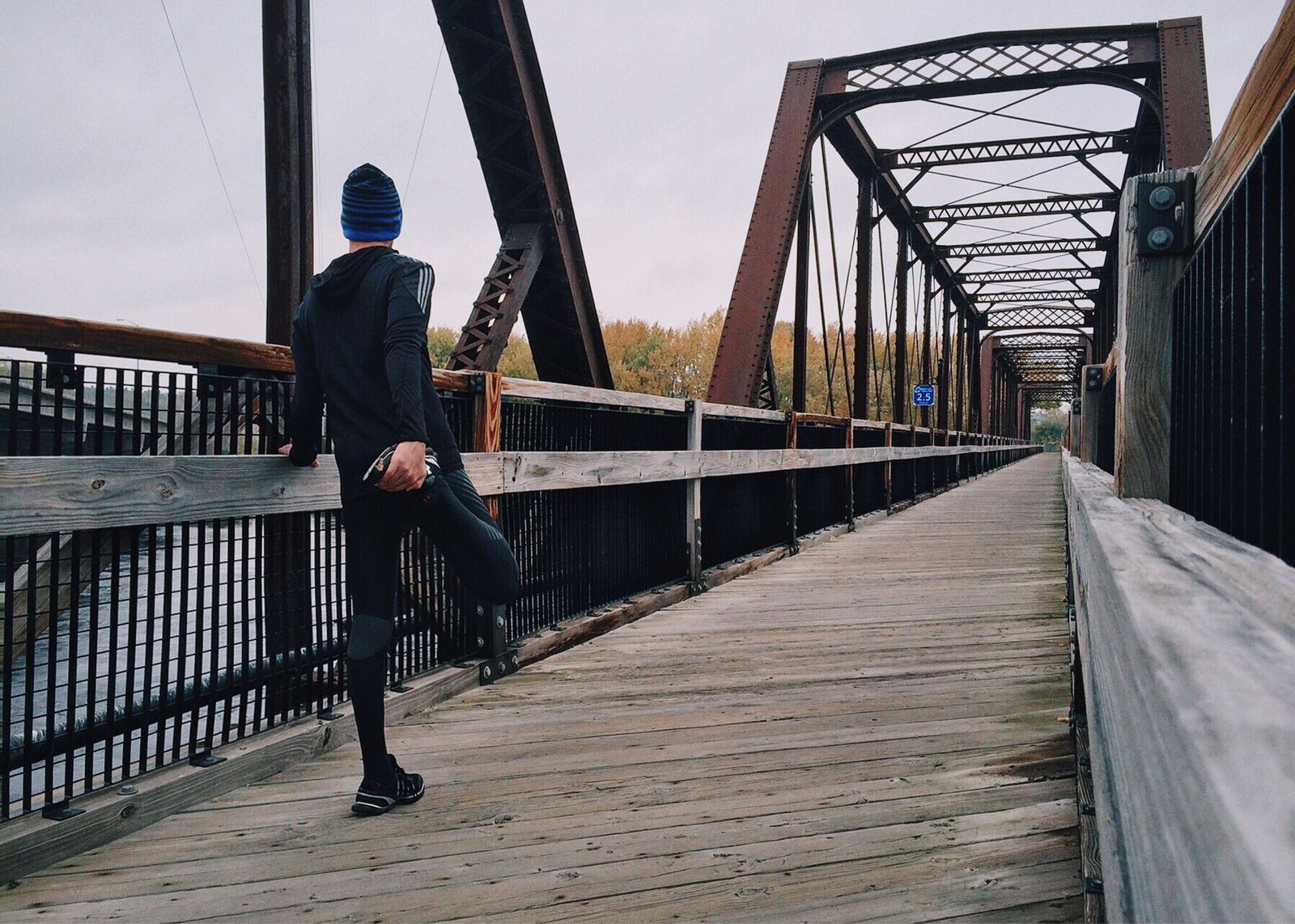
Cycling safety is not fear. It is a set of repeatable choices that keep rides enjoyable for years. Whether you roll through a German city center or a forest descent, the same principles apply: be seen, be predictable, and leave margin for other people’s mistakes.
See and be seen

Use lights whenever visibility drops — tunnels, tree cover, dusk, rain. Rear lights prevent the most common “I didn’t see you” moments. Reflective ankle bands catch drivers’ attention because they move. Do not rely on phone flashlights.
Traffic literacy
- Scan intersections twice; watch for turning vehicles that cut across bike lanes.
- Give parked cars a door’s width when traffic allows.
- Never assume a driver has made eye contact — wait for deceleration.
- Obey signals that apply to bikes; modeling good behavior protects the whole community.
Trail & park caution
Ride within your sight distance. New features deserve a slow look first. Helmets are non-negotiable for technical terrain; gloves save skin. Tell someone your route if you ride remote trails alone.
Kids & families
Start on quiet paths. Use child-appropriate bikes that fit — not oversized “grow into it” frames that compromise control. Practice stopping and starting until it is automatic. Cargo bikes and trailers need wider turns and longer braking distances; rehearse before busy streets.
Emergency readiness
Carry ID, a charged phone, and basic first-aid for longer rides. Know how to explain your location. After a crash, check yourself and the bike before continuing — bent wheels and sticky brakes turn a scare into a second incident.
Continue with equipment or training to support safer mileage.