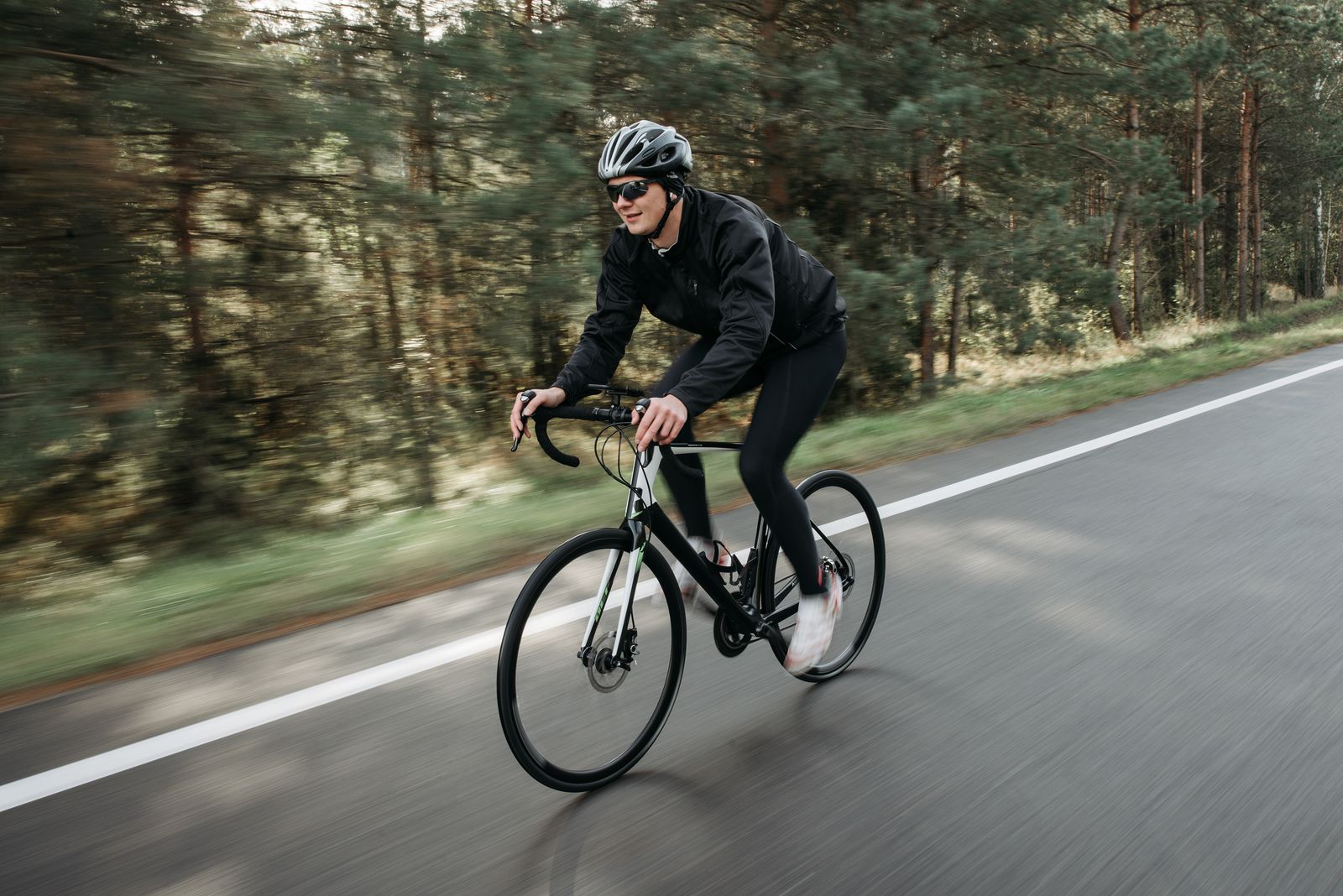
Fitness on the bike is built in layers. First you create the habit of showing up. Then you add duration. Only later do intervals and race-specific work make sense. German winters reward riders who keep spinning indoors or on quieter roads instead of disappearing until April.
A simple weekly shape
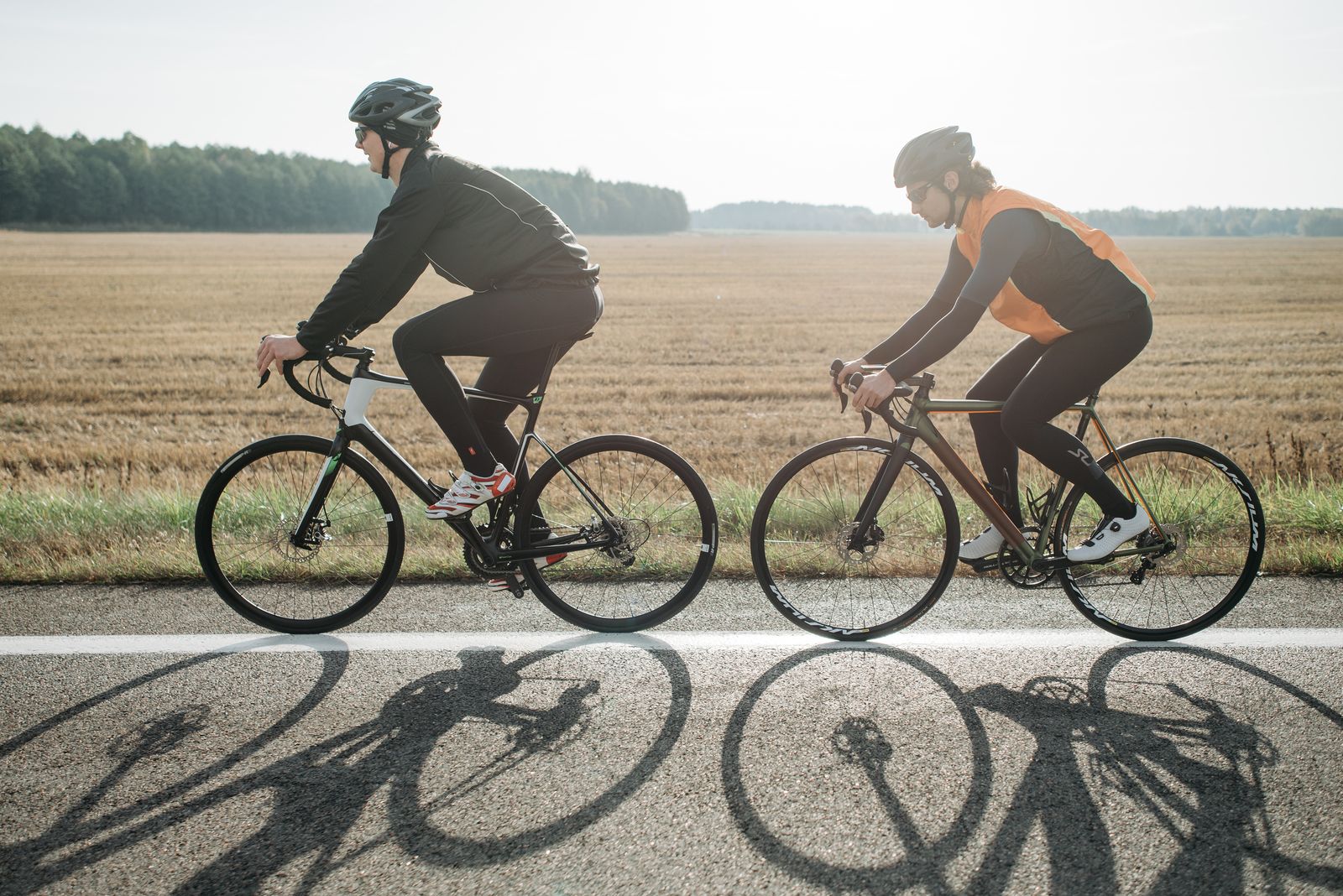
- 2–3 easy rides where conversation is comfortable.
- 1 longer ride that gently extends your weekend distance.
- 0–1 quality session — hills, tempo, or short intervals — once the base exists.
- 1 rest or active recovery day — walk, stretch, sleep.
If life is busy, protect the easy rides first. Consistency outperforms occasional sufferfests.
Intensity without the jargon trap
You do not need a power meter to train well. Use perceived effort and heart-rate trends if you have them. Hard days should feel clearly hard; easy days must stay easy. Crossing those wires is the most common amateur mistake.
Strength & mobility
Two short strength sessions weekly — squats, hip hinges, core stability, upper-back work — support posture on long rides and reduce overuse niggles. Mobility for hips and thoracic spine helps you hold an efficient position on drop bars.
Fuel & hydration
For rides under an hour, water often suffices. Beyond that, plan carbohydrates you tolerate (bars, bananas, rice cakes). In heat or long climbs, drink before thirst shouts. Practice race nutrition on training rides — never invent a new gel on event day.
Signs you should back off
Persistent fatigue, rising resting heart rate, poor sleep, or irritability suggest too much load. Take an easier week. Progress is measured across months, not WhatsApp screenshots of one epic ride.
Explore road cycling skills or return to Germany’s cycling landscape for inspiration on where to put those miles.