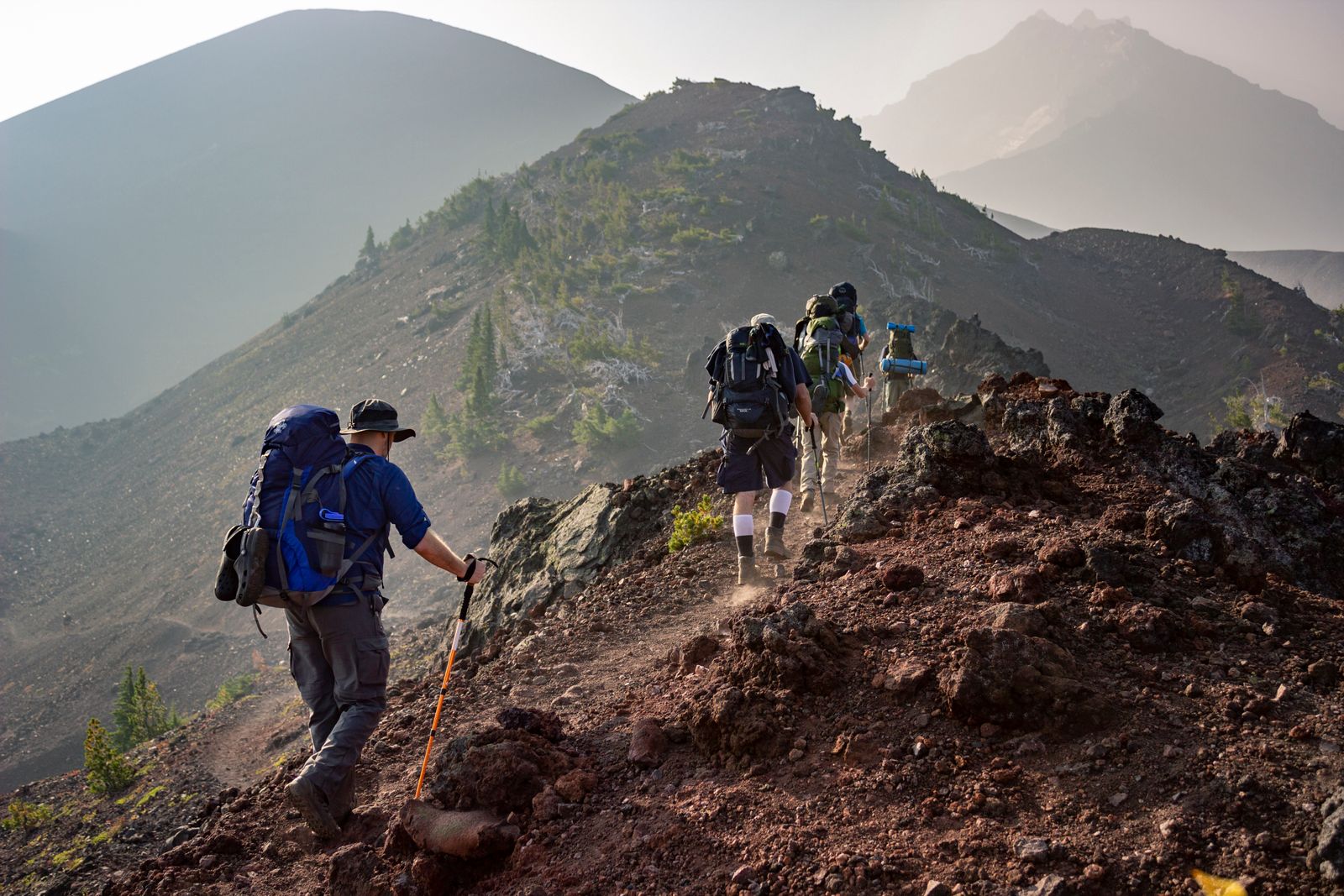
Germany is often associated with cars — yet it is also one of Europe’s most bicycle-friendly landscapes when you look at long-distance cycle routes, club membership, and the quiet normality of riding to work in rainproof jackets. Understanding that dual identity helps explain why bike sport and everyday mobility developed side by side.
From utility to lifestyle
In the twentieth century, the bicycle was first a practical tool: factory shifts, village errands, school routes. After the postwar boom of motor traffic, many cities began reclaiming space for bikes — sometimes slowly, sometimes boldly. Places like Münster, Freiburg, Karlsruhe, and Bremen became reference points for planning that treats cycling as transport, not hobby.
At the same time, sporting clubs (Radsportvereine) kept competitive culture alive: track racing, road races, cyclo-cross, and later mountain bike events. That club tradition still matters: beginners often find structured groups, insurance frameworks, and coaching through local associations rather than only online communities.
The network: D-routes and river paths
Germany’s long-distance cycle network (including D-routes) and celebrated river corridors — Rhine, Elbe, Danube, Moselle — make multi-day touring accessible even for riders who prefer comfort bikes over race machines. Signage, guest houses that welcome cyclists, and ferry connections turn geography into a product visitors can follow with a simple map or app.
These routes also feed recreational sport: sportive events often share stretches of the same corridors, and weekend club rides use them as safe, scenic training loops away from dense traffic.
Competitive sport & popular events
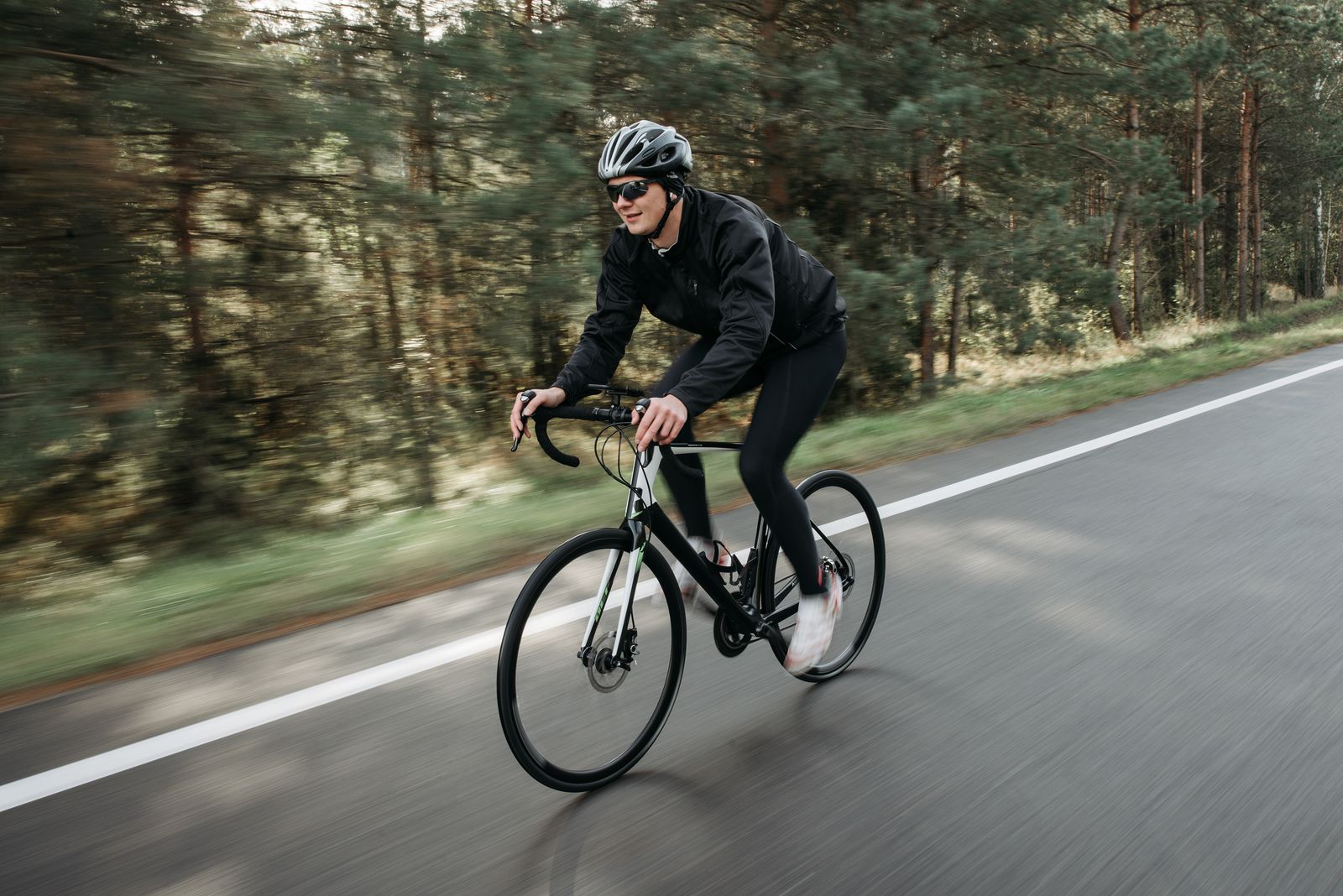
German riders have long contributed to international road racing, track championships, and Olympic programs. Domestically, amateur sportives, gran fondos, and regional races create a ladder from first timed climb to serious amateur competition. Mountain bike parks and enduro formats have expanded the sport beyond asphalt, especially in mid-range mountains and former mining landscapes reshaped into trail centers.
Track cycling halls and outdoor velodromes continue to train sprinters and endurance riders in a controlled environment — a quieter but important pillar of German bike sport development.
Everyday rules that shape the ride
Riding in Germany comes with clear expectations: lights after dark, generally riding on the right, respecting pedestrian zones, and using mandatory cycle paths where signed. Helmets are strongly recommended though not universally mandatory for adults; children often face stricter norms in practice. E-bike classes matter: 25 km/h pedelecs integrate smoothly into bike traffic; faster classes do not.
- Invest in a quality lock — theft prevention is part of urban riding culture.
- Winter tires or careful route choice help when salt and ice appear.
- Bahn & bike combinations (taking bikes on trains) extend weekend range when booked correctly.
- Local clubs offer group rides that teach traffic skills faster than solo trial and error.
Regions that define the feeling
North & flatlands: wind, long sightlines, and efficient commuting — ideal for road and trekking bikes.
Rhine & Moselle: vineyard gradients, river flats, and classic touring scenery.
Central uplands & Black Forest: climbing, forest gravel, MTB trails, and alpine-adjacent challenge without leaving the country.
City clusters: Berlin’s mixed infrastructure, Munich’s Isar paths, Hamburg’s bridges — each teaches a different urban rhythm.
Why Germany matters for riders elsewhere
Even if you never race in a German jersey, the country’s blend of touring infrastructure, club structure, and everyday cycling norms shows what happens when sport and mobility share the same roads. Policy debates about protected lanes, cargo bikes, and school streets continue — but the cultural baseline is already strong: a bicycle is a normal adult vehicle.
Continue with road cycling, mountain biking, or our overview of bike types to match equipment to German terrain.