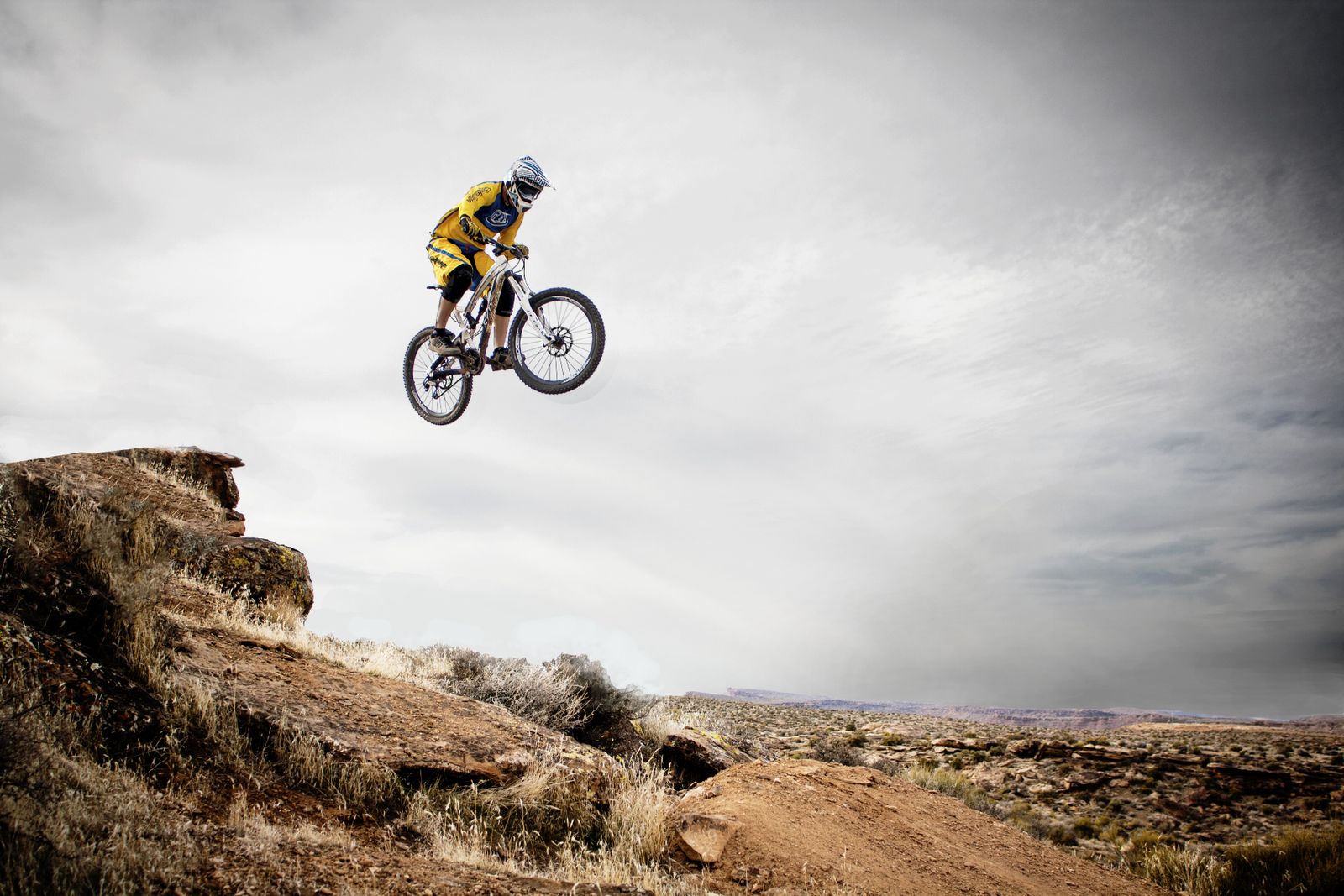
Mountain biking turns the landscape into a moving puzzle. Roots ask for timing, berms ask for commitment, and climbs ask for gearing patience. In Germany, legal trail access, shared-use forest paths, and dedicated bike parks create a mix of social riding and technical challenge.
Hardtail vs full suspension

A hardtail (front suspension only) is lighter, cheaper, and teaches precise line choice. Full suspension adds comfort and control on rough descents, at the cost of weight and complexity. Beginners on mixed German forest loops often start happily on a modern hardtail trail bike; riders targeting bike parks usually prefer more travel.
Core skills that change everything
- Braking: Use both brakes smoothly; avoid locking the front wheel on loose soil.
- Body position: Ready stance — elbows bent, eyes up, weight mobile — keeps the bike free to move under you.
- Looking ahead: Your bike follows your gaze; staring at the root usually finds the root.
- Speed management: Carry momentum through rough sections instead of stopping mid-feature.
Trail etiquette & access

Yield to hikers where required, announce when passing, and respect seasonal closures or local bans. Building illegal trails damages relationships that keep riding areas open. Bike parks and officially signed trail centers are the safest places to progress jumps and steep features.
Where Germany shines for MTB
Mid-mountain regions, former quarry landscapes, and alpine-adjacent valleys host marked routes and lift-assisted parks. Weather swings quickly; muddy seasons punish drivetrains — rinse bikes, dry chains, and check brake pads more often than road riders expect.
Protect yourself with a proper helmet (full-face for parks if features demand it), gloves, and eyewear. See also our safety guide and equipment checklist.